


Is Early Orthodontics Necessary for Every Child?

If you’re a parent, you’ve probably heard other families talk about early orthodontics and wondered if your child needs it, too. It can feel confusing: some kids seem to start treatment very young, while others wait until middle school or later. It’s natural to ask, “Are we missing something?” or “Are we starting too soon?”
The short answer is that not every child needs early orthodontic treatment. However, an early orthodontic evaluation can be very important. It helps an orthodontist see how your child’s jaws and teeth are growing, spot potential issues early, and decide whether it’s best to treat now or simply monitor development over time.
This approach gives parents peace of mind. You’re not guessing—you’re making decisions with clear information, expert guidance, and a long-term plan for your child’s smile.
What Is Early Orthodontics?
Early orthodontics, sometimes called Phase I treatment, refers to orthodontic treatment for children who still have many baby teeth. It usually happens between ages 6 and 10, before the teenage years when full braces are more common.
Early orthodontic treatment is different from the comprehensive braces you may think of for teens. Instead of focusing only on straightening all the teeth, early care often focuses on guiding jaw growth, creating space for incoming permanent teeth, and correcting bite problems that could worsen if left alone.
An early orthodontic evaluation allows the orthodontist to:
- Look at how the jaws fit together
- Check the position and eruption pattern of permanent teeth
- Identify habits (like thumb sucking or mouth breathing) that may affect growth
Some children benefit from appliances such as expanders, limited braces, or habit appliances at this stage. Others simply need routine monitoring until the time is right for full orthodontic treatment for children later on.
Why Orthodontists Recommend Early Evaluations
Orthodontists aren’t trying to rush children into treatment. The main goal of an early visit is information and prevention, not automatically starting braces.
A few key reasons early orthodontic evaluation is recommended:
Jaw growth is easier to guide when kids are young. The upper jaw, in particular, can be widened more comfortably before it fully hardens.
- Tooth eruption patterns can be monitored. If permanent teeth don’t have enough room or are coming in at odd angles, planning ahead helps avoid more complex problems later.
- Bite problems can affect function. Overbites, underbites, and crossbites can impact chewing, speech, and even self-esteem.
- Habits can be addressed early. Thumb sucking, prolonged pacifier use, and mouth breathing can all influence how the jaws grow.
Most orthodontic and dental organizations recommend that children have their first orthodontic check around age 7. At this age, an orthodontist can see how the front teeth and first permanent molars fit together and can identify early warning signs.
Table – Common Childhood Orthodontic Issues and Timing
Below is a simplified overview of when certain concerns are often noticed and whether early treatment is commonly recommended.
| Issue | Typical Age Noticed | Is Early Treatment Usually Recommended? |
|---|---|---|
| Crowding of front teeth | 7–9 years | Sometimes – depends on space and growth |
| Crossbite (top teeth inside bottom) | 6–9 years | Often – to guide jaw growth |
| Open bite from thumb or pacifier | 4–8 years | Often – once habit is addressed |
| Deep overbite or underbite | 7–10 years | Often – to help jaw and bite balance |
| Jaw asymmetry or shifting | 6–10 years | Often – to prevent worsening |
| Mild spacing with normal bite | 7–10 years | Usually observation only |
This table is a general guide, not a diagnosis. An orthodontist’s recommendation will depend on your child’s specific growth, health, and needs.
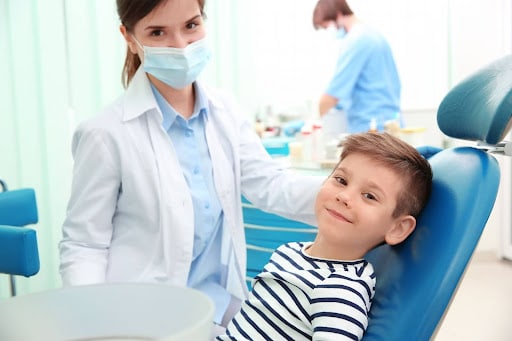
Does Every Child Need Early Orthodontic Treatment?
No—early orthodontic care is not necessary for every child.
An early evaluation helps sort children into two broad groups:
- Observation-Only Cases
Many kids don’t need active treatment right away. Their bite is functional, jaw growth is on track, and teeth have room to come in. For these children, the orthodontist may recommend simple monitoring visits once or twice a year to keep an eye on development. This “wait and watch” approach is very common and completely appropriate. - Intervention Cases
Some children do benefit from early intervention. For example, if a crossbite is causing the jaw to shift, or if there is severe crowding, treating early can prevent more serious problems later. In these cases, early orthodontic care may:- Create space for permanent teeth
- Improve the way the jaws fit together
- Reduce the risk of tooth damage or wear
- Make later treatment simpler and more predictable
The goal is not to put every child into appliances as early as possible. It’s to treat the right child at the right time for the right reasons.
Signs a Child May Benefit from Early Orthodontic Care
While only an orthodontist can give a final recommendation, parents can watch for certain signs that a child might need earlier attention, such as:
- Difficulty biting or chewing food
- Teeth that look very crowded or overlapping
- Upper or lower teeth that stick out noticeably
- A crossbite, where top teeth sit inside bottom teeth
- Mouth breathing most of the time
- Jaws that seem too far forward or too far back
- Thumb sucking or other oral habits that continue past age 4–5
If you notice any of these, scheduling an early orthodontic evaluation is a good next step. It doesn’t mean treatment will start immediately, but you’ll get clear guidance.
What Happens During an Early Orthodontic Evaluation
Knowing what to expect can make the first visit easier for both you and your child. Here’s a simple step-by-step outline:
- Initial Consultation
You and your child meet the orthodontic team. The doctor will ask about medical and dental history, growth concerns, and any habits or symptoms you’ve noticed. This is a relaxed conversation designed to help everyone feel comfortable. - Growth and Bite Assessment
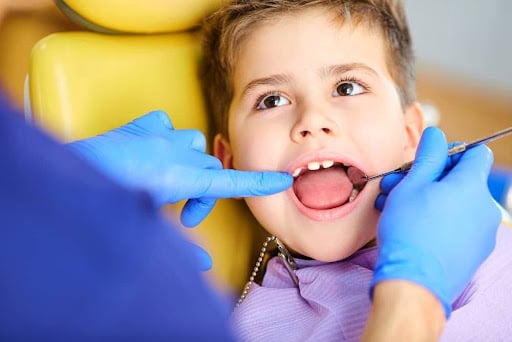
The orthodontist gently examines your child’s teeth, bite, and jaw alignment. They’ll look at how the upper and lower teeth come together, how the jaws move, and whether there are early signs of crowding or spacing. - Imaging or Scans
Depending on the situation, the orthodontist may recommend X-rays, digital scans, or photos. These images provide a clear picture of tooth roots, developing permanent teeth, and jaw structure. Modern imaging is designed to be fast and child-friendly. - Treatment or Monitoring Plan
After gathering all the information, the doctor explains the findings in plain language. You’ll discuss whether:- No treatment is needed yet, only periodic check-ins
- Short-term early orthodontic treatment is recommended
- It’s best to wait until more permanent teeth are in
You’ll have time to ask questions and understand the reasoning behind any recommendation. The goal is a plan that feels right for your child and your family.
Meet Your Orthodontist
At Egger Orthodontics in Issaquah, WA, your child’s comfort and confidence come first. Dr. Nadine Egger has dedicated her practice to orthodontic treatment for children, teens, and adults, with a special focus on building positive experiences for younger patients.
Parents appreciate her calm, caring approach and the way she explains each step in a way kids understand. Dr. Egger and her team take time to listen to concerns, answer questions, and create personalized plans that support healthy growth and long-term smile results.
Beyond the office, Dr. Egger is actively involved in the local community, supporting schools, sports teams, and family events in the Issaquah area.
Areas We Serve
Egger Orthodontics proudly welcomes families from across the region who are seeking clear guidance about early orthodontic treatment and long-term smile health.
Many of our patients live, learn, and play in:
- Issaquah, WA – Our home base, where families appreciate convenient access to appointments close to school, work, and activities.
- Bellevue, WA – Parents who commute or work nearby often choose our practice for specialized early orthodontic care and flexible scheduling.
- Sammamish, WA – Growing families from Sammamish trust our team to monitor their children’s smiles from early evaluation through teen treatment.
- Preston, WA – Families from smaller nearby communities value the combination of personalized attention and advanced orthodontic options.
Whether you’re right around the corner or a short drive away, you can expect friendly, consistent support from your child’s first visit through every phase of orthodontic care.
Frequently Asked Questions
1.At what age should my child see an orthodontist?
Most children should have their first orthodontic check around age 7. By this age, the front teeth and first permanent molars are usually in place, giving the orthodontist a good view of how the bite is developing and whether early orthodontic care might be helpful.
2.What is the difference between early orthodontics and braces?
Early orthodontics typically focuses on guiding jaw growth, correcting bite issues, and creating space for permanent teeth while some baby teeth are still present. Full braces usually come later, once most or all of the permanent teeth have erupted. Sometimes a child has both phases; other times, only one is needed.
3.Can early treatment prevent braces later?
In some cases, early orthodontic treatment can reduce the complexity of future treatment or shorten the time needed in full braces. In other cases, braces are still needed later, but the bite is healthier and easier to correct. The goal is always to create the best long-term result, not to eliminate braces at all costs.
4.Is early orthodontic treatment painful?
Most children handle early orthodontic treatment very well. They may feel some pressure or mild soreness when appliances are first placed or adjusted, but this usually improves within a few days. The team at Egger Orthodontics will give you tips to manage any discomfort and help your child feel at ease.
5.How long does early orthodontic care usually last?
Early treatment is typically shorter than full braces. Many Phase I treatments last 6–12 months, though this can vary depending on your child’s needs and the type of appliance used. After this phase, there is often a rest period where growth is monitored before deciding on any future treatment.
6.What happens if we wait and do nothing?
In some situations, waiting is perfectly fine and recommended. However, in other cases, delaying care can allow bite problems or jaw imbalances to worsen, making later treatment more complex. An early orthodontic evaluation helps you understand which scenario applies to your child, so you’re not left guessing.
7.How often will my child need check-ups if we choose monitoring only?
If no immediate treatment is needed, your child may be seen every 6–12 months for monitoring. These visits are usually quick and easy, allowing the orthodontist to track growth, tooth eruption, and bite changes over time.
Ready to Schedule an Early Evaluation?
If you’re wondering whether your child truly needs early orthodontics or if it’s better to wait, an expert opinion can make all the difference. At Egger Orthodontics in Issaquah, WA, Dr. Nadine Egger provides thoughtful, individualized guidance so you can make informed decisions without pressure.
Schedule an early orthodontic evaluation for your child, ask your questions, and leave with a clear plan—whether that means monitoring growth, starting early treatment, or waiting until the teen years. Your child’s smile has a long future ahead, and we’re here to support every step.